DONT LET IT HEAR Team Tips
Coordinate 99-player flooded lobbies without turning your friends into splash hazards.
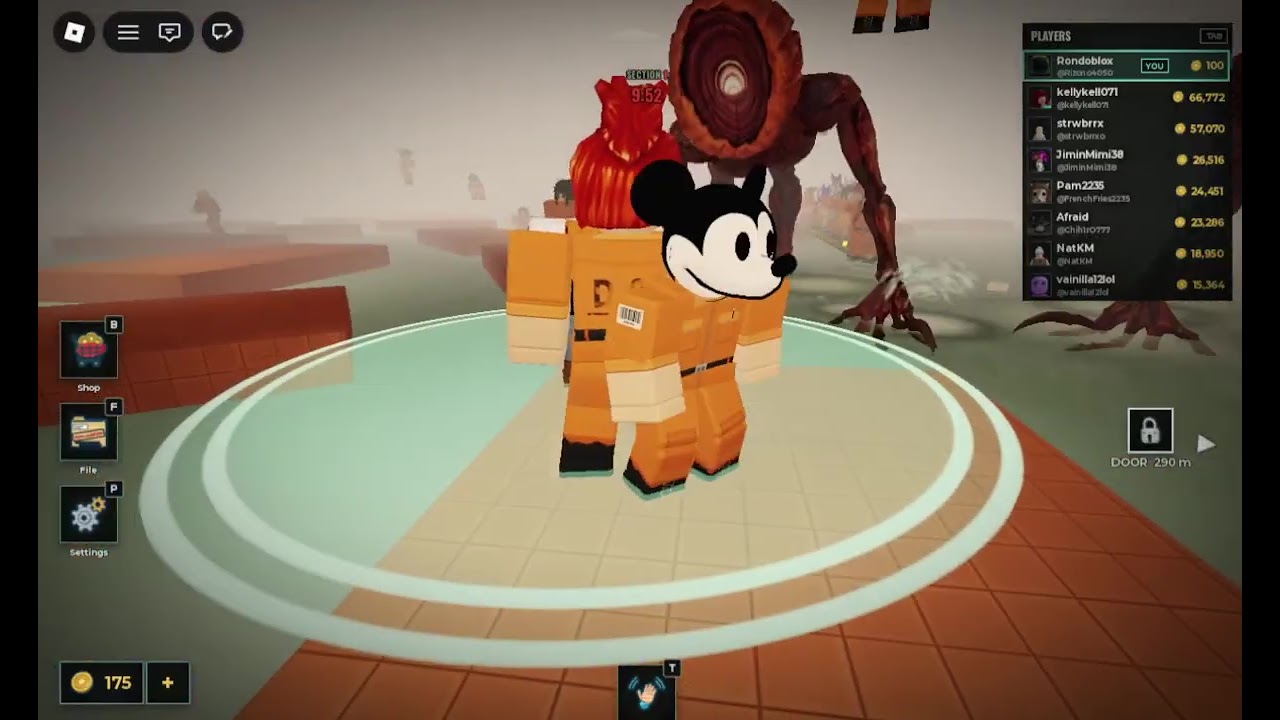
Team play in DONT LET IT HEAR is not about heroic carries. It is about keeping a small stack quiet while as many as 99 players share flooded platforms with a creature that hears water. One friend cannonballing “to save you” can erase three careful minutes. This guide covers spacing, callouts, grief handling, peel timing, and party-stack habits for the live Roblox experience from the shallow side.
Start from Getting Started if the no-splash rule is still new. Deepen audio literacy on Sound Mechanics and decision rules on How to Survive. Use Controls so your jumps do not manufacture the noise your team is trying to avoid.
Why 99-player lobbies break normal party instincts
In many co-op games, stacking tightly feels safe. Here, tight stacks on thin dry beams create:
- Body-blocks into wet volumes
- Shared landing contests
- Panic chains when one avatar slips
- Chat arguments exactly when headphones should dominate
Your team wins by being a quiet micro-lobby inside the loud macro-lobby — not by merging with every stranger stampede.
Build a quiet party stack
Before you press Play together:
- Agree that dry > fast for the whole session.
- Pick a primary caller (one voice) so four people do not talk over water cues.
- Set game audio louder than Discord or party chat.
- Share a short vocab list (below) and ban essays mid-gap.
- Decide an abort word that everyone will obey without debate.
- Skim the Quiet Run Checklist once as a group.
Stack size sweet spot is usually 2–4 trusted players. Larger friend groups should split into two quiet cells that only rejoin on wide dry tiles.
Spacing rules that prevent grief-by-accident
- Leave landing room: if a tile fits two cleanly, do not force a third.
- Stagger jumps by a beat so landings do not collide.
- On beams, travel single file with deliberate gaps.
- Never shoulder-check a teammate near water “as a joke.”
- If you miss a jump, call it and peel — do not flail into the person behind you.
Spacing is etiquette and mechanics at once. Review lobby manners on the Players Hub and keep them inside your own party too.
Callouts that fit a hearing fantasy
Long sentences hide splash audio. Use short tokens:
| Call | Meaning |
|---|---|
| Hold | Stop on dry ground; do not cross |
| Calm | Water bed sounds clear enough to consider a move |
| Crossing | I am committing now — give me the landing |
| Left / Right | Prefer that dry alternate |
| Back | Abort to the previous hold point |
| Splash | Noise event — freeze and listen |
| Peel | Leave this lane; do not revenge-path |
| Quiet | Stop talking; audio priority |
If voice chat is messy, fall back to these as text on wide platforms only. Mid-air typing is a splash factory.
When to peel
Peeling means leaving a plan without dragging friends into the failure.
Peel when:
- A mid-map pulse of strangers floods your chokepoint
- A teammate already splashed and the lane is still loud
- A griefer is camping a landing to shove people
- Your stack disagrees and debate is louder than the mix
- Audio cues suggest threat attention on your corridor
Peel process:
- Caller says peel or back.
- Everyone stops forward commits immediately.
- Move to the agreed previous hold point on dry ground.
- Rescan audio using Sound Mechanics habits.
- Re-choose cross, wait, or reroute — never “maybe.”
Ego peels are rare; late peels are common. Practice peeling early.
Grief handling without feeding the creature
You will meet shove artists, fake-code spammers, and script flyers. Your job is survival, not courtroom debate.
- Path around; do not chase griefers across water.
- Report through Roblox tools when appropriate.
- Do not advertise counter-scripts; read Scripts Hub warnings offline if you must.
- Mute chat spam about unverified codes — none confirmed as of November 2026.
- If a friend gets baited into a revenge splash, call hold and reset the stack mindset.
Grief wins when you accept their tempo. Refuse the tempo.
Coordinating crossings
Treat every serious pool approach like a tiny operation:
- Arrive early or late to avoid the stranger pulse — see stage thinking in the Full Walkthrough.
- One scout watches a full enemy crossing without moving.
- Stack confirms calm water.
- One player crosses; others hold.
- Only after a clean landing and a quiet beat do the next players follow, staggered.
- Reform spacing on the far hold point before the next gap.
“Everyone go” is how parties become synchronized splash events.
Roles inside a stack (lightweight)
You do not need MMORPG jobs. Light roles help:
- Caller — hold/cross/peel authority
- Rear guard — watches for shove threats behind
- Route mind — remembers dry alternates from prior runs
- Mix mind — reminds the group when party chat is too loud
Rotate roles between sessions so nobody burns out or tunnels.
Party habits to delete
| Habit | Why it fails |
|---|---|
| Stacking six friends on one beam | Body-blocks and chain splashes |
| Narrating every step on voice | Masks water cues |
| Mirroring clip farmers | Inherited wet risk |
| Diving after a downed friend immediately | Second and third deaths |
| Arguing strategy mid-gap | Camera and foot drift into water |
| Flexing scripts on main accounts | Ban risk plus lobby reports |
Rank replacements on the Survival Habits Tier List after each night.
Solo queue teamwork
You can still play “team” without friends:
- Attach loosely to quiet randoms who wait and space.
- Soft-call short tips in chat once, then stop if ignored.
- Never soft-grief randoms to manufacture bait.
- Peel from chaotic wings even if a stranger begs you to follow.
Public lobbies reward polite parasites of good habits — copy silence, not spectacle.
Related pages
- Sound Mechanics — audio system for stacks
- How to Survive — teammate splash risk theory
- Getting Started — day-one party basics
- Players Hub — community etiquette
- Full Walkthrough — hold-point routing
- Guides Hub — all tutorials
A good team in DONT LET IT HEAR is a silence contract. Keep the contract, stagger the crossings, peel without shame, and let the loud lobby filter itself out of your route.
Frequently Asked Questions
Quick answers about staying dry and escaping the hunt.
What is the best party size for DONT LET IT HEAR?
Usually 2–4 trusted players. Larger friend groups should split into quiet cells and only reform on wide dry tiles.
What callouts should we use?
Keep them short: hold, calm, crossing, left/right, back, splash, peel, quiet. Long voice essays hide water audio.
When should a stack peel?
Peel when a stranger pulse hits your lane, water stays loud after a splash, griefers camp landings, or debate is drowning the mix.
How do we handle griefers without dying?
Path around, report, refuse revenge chases across water, and reset on a dry hold point instead of matching their tempo.
Should everyone cross a pool at once?
No. Stagger crossings: one commit, confirm a quiet landing, then the next player. Synchronized goes create synchronized splashes.